Artificial Turf For Pets in Allen, TX
A Yard That Handles Dogs Without Mud, Bare Patches, or Kill Spots
The Dog Yard Problem — and the Actual Solution
Artificial Turf of Allen installs pet-appropriate synthetic turf for Collin County households where the dogs are using the yard daily. The right product specification for pet use is different from a standard residential lawn installation — drainage rate, backing construction, and infill selection all matter more in a pet-use context. We spec for the actual use, not for the upsell.
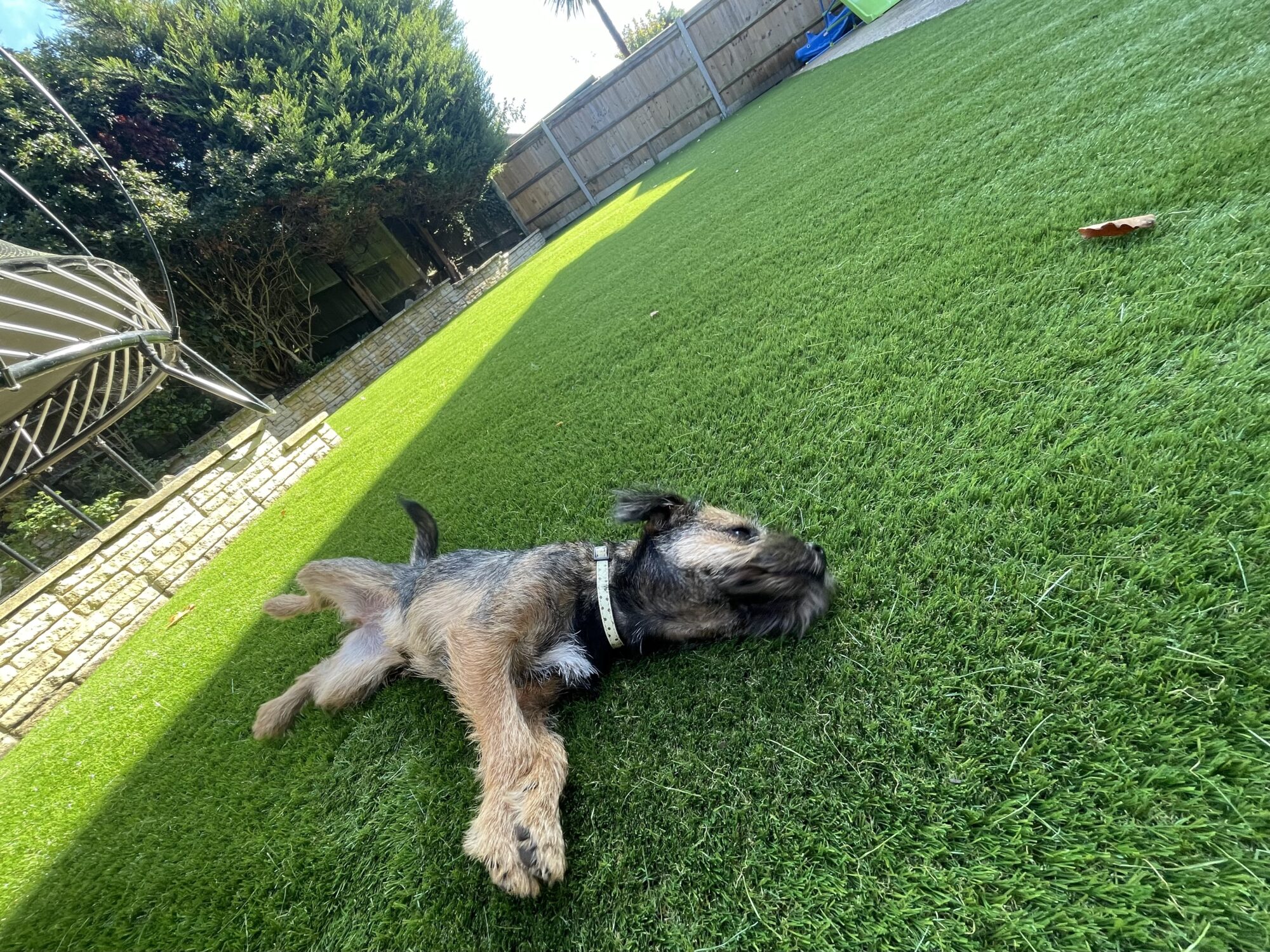
Allen and Collin County families with dogs are managing a specific set of yard problems: urine kill spots that bermuda and St. Augustine don't recover from, compacted bare paths where the dog runs the fence line, mud that tracks into the house after rain, and fleas that live in the natural grass thatch. These aren't fringe problems — they're what a dog yard looks like in North Texas by midsummer. Artificial turf solves all of them, but only if the installation is specced correctly for pet use. A lawn turf product installed without adequate drainage rate and without antimicrobial infill doesn't perform as well in a pet-use context as a product correctly specced for it.
Project Highlights
Antimicrobial infill option to manage bacteria load in pet-use zones
No urine kill spots — no living root system to damage
No mud — no exposed soil under the surface
Eliminates the flea habitat that natural grass thatch provides
What Pet-Appropriate Turf Actually Delivers
We work with a lot of dog households in Allen, Plano, McKinney, and surrounding areas. Here's what the conversion from natural lawn to synthetic actually changes in daily life.
End of the Kill Spot Cycle
Urine on natural bermuda creates circular kill zones that don't recover cleanly. On synthetic turf, urine drains through the backing and base — there's no living root system to damage. The surface looks the same in the urine-impact areas as everywhere else.
Mud Elimination
The mud that dogs track into the house after rain is coming from exposed soil — the same bare clay that appears wherever a dog has worn through the grass. Synthetic turf has no exposed soil. Rain drains through, the surface dries within an hour or two, and paws come inside clean.
Reduced Pest Habitat
Flea populations in natural yards live primarily in the thatch layer — the dense organic material at the base of the grass. Synthetic turf has no thatch layer. Flea populations don't establish in artificial turf the way they do in natural grass.
Consistent Surface Regardless of Dog Traffic
The worn path a dog runs daily will clear natural grass down to bare clay within a few weeks. That path doesn't recover as long as the dog continues using it. On synthetic turf, the same path looks the same in year five as it did in year one.
How We Install for Pet-Use Applications
Pet-use installations require specific decisions at each stage of the process. We walk through those decisions with every pet-household client.
Step 1
Pet-Use Assessment
How many dogs, what sizes, how the yard is used — these factors determine the drainage spec, infill selection, and product choice. A yard with two large dogs used as primary outdoor space is a different installation than a yard with one small dog who goes outside occasionally.
Step 2
Drainage-First Base Design
Pet-use installations require drainage infrastructure that moves liquid through the base layer at rates that match the use. We design the base grade and select drainage components based on the actual pet load, not a standard formula.
Step 3
Product Selection for Pet Load
We use pet-appropriate turf products with backing materials and drainage rates designed for high pet use. Standard residential lawn turf products may drain adequately for rain events but underperform in high-concentration pet waste scenarios. We spec the right product for the load.
Step 4
Antimicrobial Infill Application
For pet-heavy installations, antimicrobial-treated infill is applied to reduce bacterial colonization in the infill layer. This is an option we recommend for any installation with regular heavy pet use — it's a modest cost addition that meaningfully affects long-term odor management.
Step 5
Maintenance Guidance for Pet Households
Pet-use installations benefit from slightly more frequent home maintenance than non-pet installations — more frequent rinsing, prompt solid waste removal, and seasonal enzyme treatment. We provide specific guidance at the completion walkthrough.
Service Areas
Artificial Turf For Pets projects commonly support properties in Allen, TX, Mckinney, TX, Frisco, TX, Plano, TX, Fairview, TX, Lucas, TX, Wylie, TX, Parker, TX, Princeton, TX, Melissa, TX.
Related Services
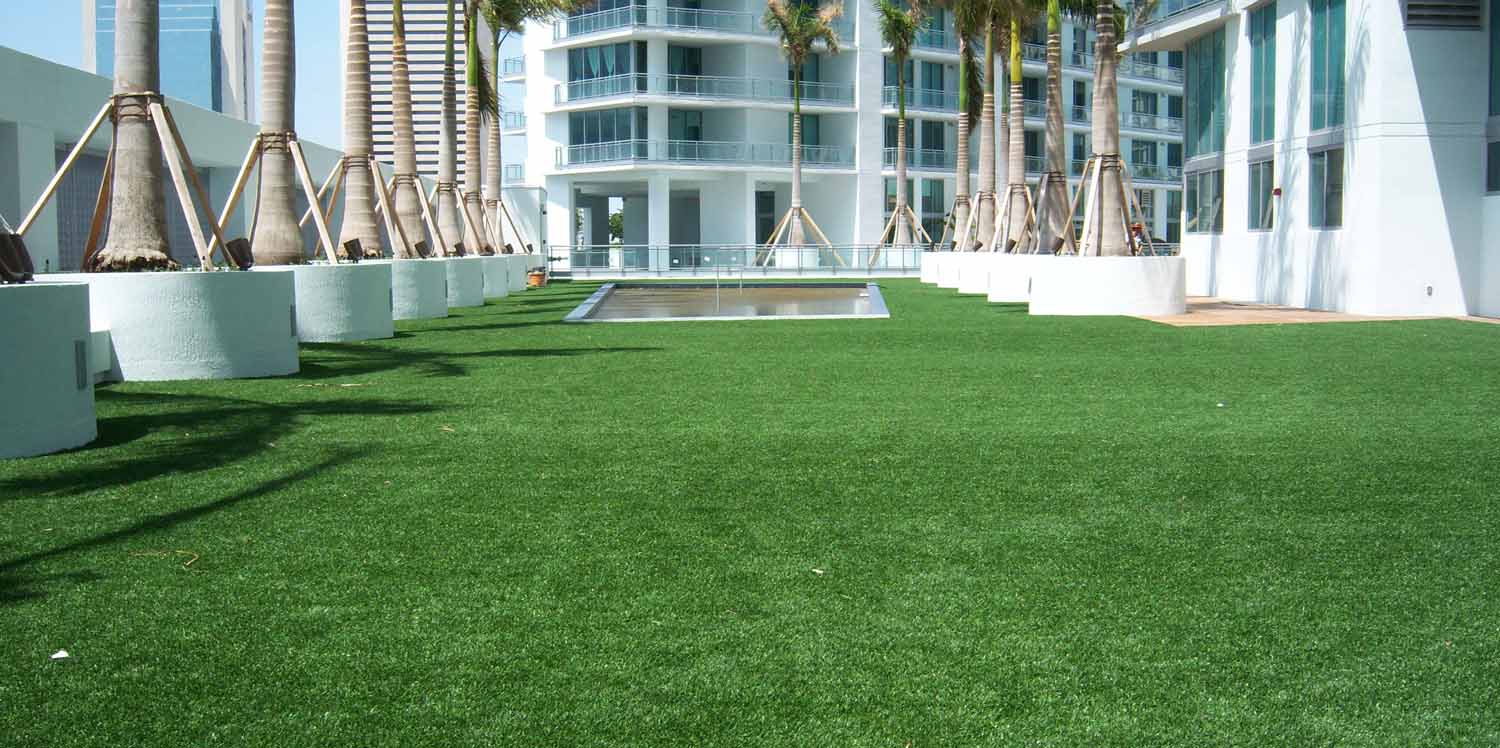
Commercial Artificial Turf Installation
Professional Commercial Artificial Turf Installation in Allen, TX.
View Service
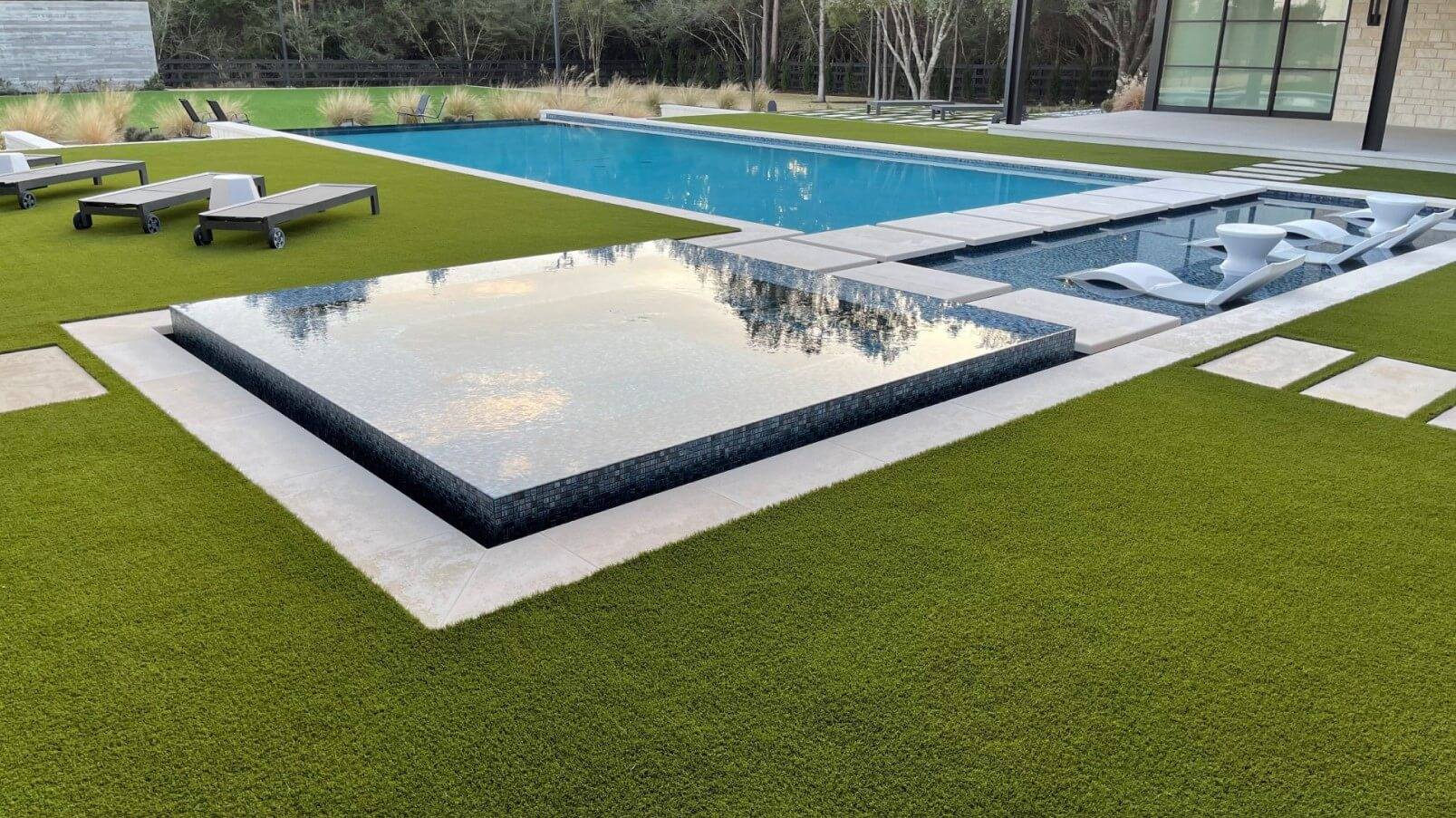
Residential Artificial Turf Installation
Professional Residential Artificial Turf Installation in Allen, TX.
View Service
Artificial Turf Putting Green Design
Professional Artificial Turf Putting Green Design in Allen, TX.
View Service
Artificial Turf Maintenance
Professional Artificial Turf Maintenance in Allen, TX.
View Service
Artificial Turf Repair
Professional Artificial Turf Repair in Allen, TX.
View Service
Artificial Turf Drainage Solutions
Professional Artificial Turf Drainage Solutions in Allen, TX.
View Service
Frequently Asked Questions
Does pet urine smell worse on artificial turf than on natural grass?
With the right drainage spec and infill, no. The smell problem occurs when urine pools on or near the surface because drainage is inadequate. On a correctly installed pet-use turf, urine drains through immediately and the antimicrobial infill manages the bacterial load that causes persistent odor. We see odor problems primarily on installations that weren't specced for pet use.
Will dogs try to dig through the turf?
Some dogs try initially, especially in areas where they previously dug in natural grass. Most lose interest quickly because there's no soft soil to excavate. Dogs that are persistent diggers may damage the backing over time — we select products with reinforced backing for households with known diggers.
Is synthetic turf safe for dogs to lie on in summer?
Synthetic turf gets warm in direct sun — this is a real consideration, not something to minimize. In full sun in July in Allen, surface temperatures can be 20 to 40 degrees above air temperature. We discuss shade solutions and cooling infill options for installations where this is a concern. In shaded areas or during cooler parts of the day, surface temperature is not an issue.
How do I clean up solid pet waste on artificial turf?
Remove solid waste the same way you would on any surface, then rinse the area. The turf doesn't retain solid waste in the blade structure the way natural grass does. For routine maintenance in pet-use zones, a biweekly hose rinse and prompt solid waste removal are the core requirements.
Get a Pet-Specific Turf Estimate for Your Collin County Property
We spec for your actual dog count and yard use, not a generic pet category. Contact Artificial Turf of Allen for a free site assessment.