Artificial Turf in Allen, TX
Most artificial turf companies in the Metroplex pitch you the premium package first. Artificial Turf of Allen does it differently. We work with Allen homeowners who want a quality synthetic lawn without paying West Plano luxury prices — families in Stacy Ridge, Suncreek, Bethany Creek, Cumberland Crossing, and the older sections of Twin Creeks who are making a smart investment, not a vanity purchase. Collin County clay soil, Coserv utility bills, and post-Uri freeze damage on existing irrigation systems are all part of the calculation when you live here. We know the territory, and we price for it.
Request a Free EstimateLocal Service in Allen
Most artificial turf companies in the Metroplex pitch you the premium package first. Artificial Turf of Allen does it differently. We work with Allen homeowners who want a quality synthetic lawn without paying West Plano luxury prices — families in Stacy Ridge, Suncreek, Bethany Creek, Cumberland Crossing, and the older sections of Twin Creeks who are making a smart investment, not a vanity purchase. Collin County clay soil, Coserv utility bills, and post-Uri freeze damage on existing irrigation systems are all part of the calculation when you live here. We know the territory, and we price for it.
Why Allen Homeowners Are Switching — and What It Actually Costs
Let's talk money first, because that's what most Allen homeowners actually want to know. A mid-size Allen backyard — say 800 to 1,200 square feet — runs somewhere in the $4,500 to $8,500 range depending on grade prep, drainage complexity, and the turf product you choose. That number includes removal of the dead St. Augustine that never fully recovered after Uri, base compaction, seam work, and infill. Not a teaser rate.
Where does the payback come in? Allen homeowners on Coserv electric-powered well systems or city water are spending $60 to $120 per month irrigating a lawn that goes brown every August anyway. Kill that bill entirely and the turf pays for itself inside five to seven years on water savings alone — before you factor in lawn service cancellations and the fact that you stop buying pre-emergent every spring. For families in the Allen ISD attendance zone keeping an eye on the household budget, that math is worth running.
We're not telling you artificial turf is free money. The install cost is real. But the ten-year ownership picture for a properly installed synthetic lawn beats natural grass for the vast majority of Allen mid-budget homeowners, and we'll show you the comparison numbers before we ask for a deposit.
Allen Neighborhoods We Work In — and What We See There
The older sections of Twin Creeks — built in the early 2000s — tend to have irrigation systems with multiple broken heads and corroded valve boxes from the 2021 freeze. Homeowners there are often looking at $1,500 to $2,500 just to restore the irrigation before they can even water the lawn. At that point, pulling the grass and going turf starts looking a lot more rational.
Suncreek and Bethany Creek homeowners frequently deal with drainage that flows toward the house when it rains hard. We see spongy low spots along back fence lines and compacted clay that doesn't drain in either direction. Getting that right under a turf install — sloping the base layer, installing a french drain where needed — is the difference between a lawn that looks great for fifteen years and one that turns into a swamp after a good thunderstorm.
Stacy Ridge and Watters Creek are more mixed. Some lots drain fine, some have grade issues that the original builders never corrected. We walk every yard before we write a number, and we don't bury drainage problems under a new install and hope you don't notice. You'll know what we found and what the fix costs before we schedule the crew.
Cumberland Crossing and Allen Heights tend to have smaller rear yards with fencing close to the property line — tight access situations where a careful crew matters more than a fast one. We've worked enough of these lots to know how to stage materials without tearing up the side-yard gate or dragging base rock across the neighbor's flower bed.
What Separates a Good Install from One You'll Regret
The turf product is not the most important variable in a residential installation. Any reputable mid-grade synthetic grass will look fine for years. What determines whether your lawn looks great or disappoints is what happens underneath — the base depth, the compaction, and the drainage slope.
Allen sits on expansive clay. Clay moves with moisture. If a crew puts turf down on compacted clay without an adequate crushed granite or decomposed granite base, you'll have edge lifting and seam separation within three years as the clay cycles through wet and dry seasons. We use a minimum four-inch compacted base on Collin County clay installs, and six inches in problem areas. That's a bit more material cost, but it's why our installs don't call us back with complaints.
Seam placement matters too. A crew that runs a seam across a high-traffic path — where the dogs run, where the kids cut through — is going to leave you with a visible ridge line inside a year. We plan seam locations before the first roll is cut, not as an afterthought.
For pet households — and Allen has a lot of them — drainage rate is the critical spec. A turf that moves 30 inches of water per hour per square foot will handle a large dog household without odor buildup. Turf that drains at 10 inches per hour will not. We tell you what you're getting and why the spec matters before we close the contract.
Allen ISD Families, School Zones, and the Backyard Reality
A lot of the Allen homeowners who call us are families with kids in Allen ISD. They moved here for the schools, they're invested in the neighborhood, and they want a backyard their kids can actually use — not a patchy, bermuda-and-bare-dirt situation that requires constant attention to stay presentable.
Synthetic turf solves the "kids destroyed the lawn" problem permanently. No more reseeding the area under the trampoline. No more dead patches where the soccer goals sit. The surface that gets the most foot traffic is the same surface that sees the least visible wear with turf, because there's nothing alive to kill.
For families who also have dogs — which is nearly everyone — the combination of kids and pets on a natural lawn is almost impossible to manage in Allen's summer heat. Bermuda goes thin under heavy use. St. Augustine browns out. Both get muddy the first time it rains after a dry stretch. Turf handles the same abuse without the recovery period.
The US 75 corridor commuter families know the value of weekends. If you're spending time on a lawn that doesn't look good anyway, a turf installation that eliminates that commitment is worth something real. We hear that repeatedly from Allen homeowners: they just want their yard back, and they want it to look decent without having to work on it every weekend from March through November.
Hail Belt Considerations and What Texas Summers Do to Turf
Collin County sits squarely in Texas hail country. A hail event significant enough to damage a roof won't damage quality synthetic turf — the fibers are UV-stabilized polyethylene and polypropylene, not glass. What hail can do is dislodge infill if the turf takes a direct hit from large stones, and in severe cases it can compact the surface texture. That's uncommon, but it happens. The products we use carry manufacturer warranties that address hail damage scenarios.
North Texas summers are the bigger practical concern. Synthetic turf does get warm in direct sun — more than natural grass. On a July afternoon in Allen with full sun exposure, surface temperature can run 20 to 40 degrees above air temperature. If you have an area in full sun all afternoon and kids or dogs who use it heavily during summer afternoons, we'll talk through shade solutions, cooling infill options, and which product specs handle heat retention better than others. This isn't a reason to avoid turf — it's a reason to plan the install thoughtfully.
Post-Uri, a lot of Allen homeowners also discovered how much the freeze cycle matters. Synthetic turf handles freeze-thaw cycles in Collin County without damage. The base layer compacts correctly, the turf itself doesn't crack or split, and you don't need to do anything to prepare it for winter. Your irrigation system needed winterizing every year. Your turf doesn't.
Services Available in Allen
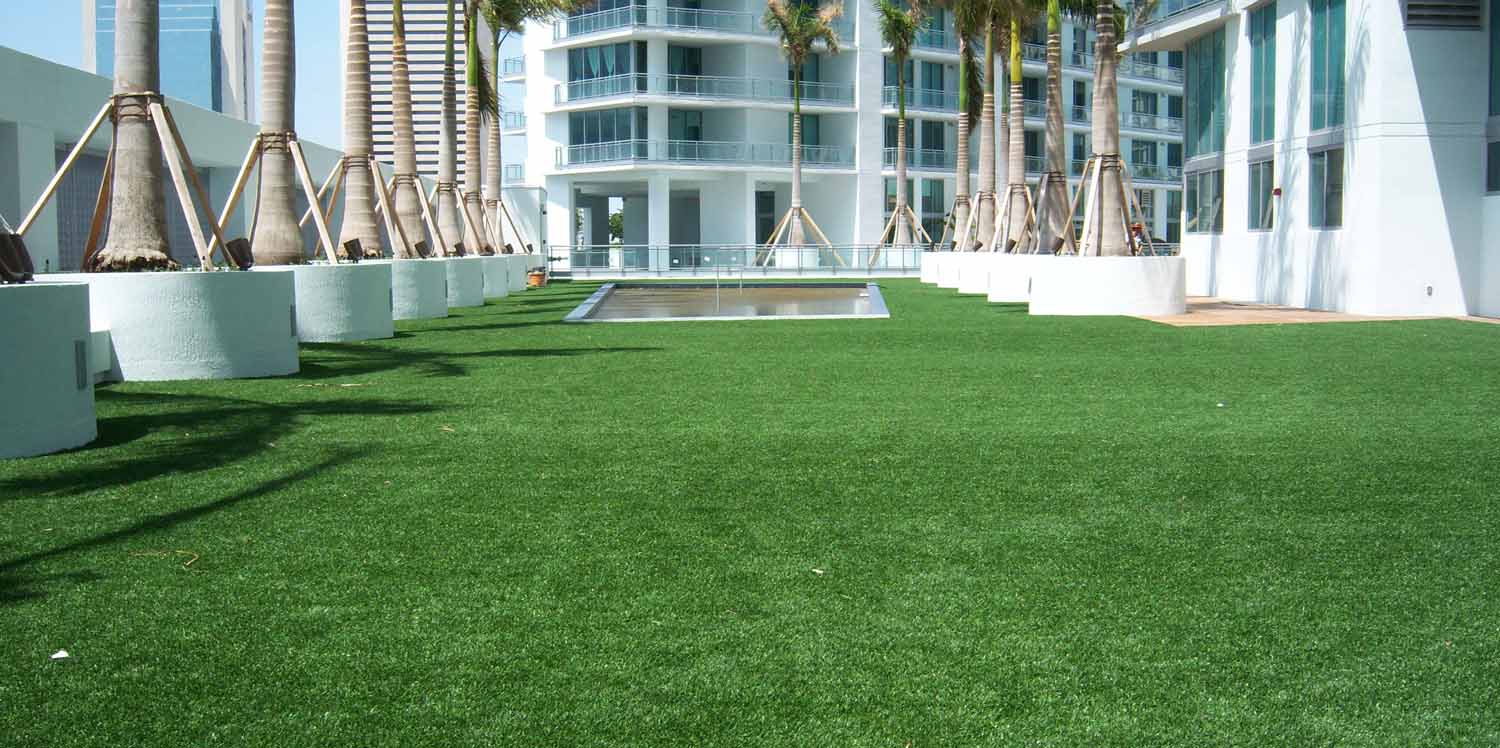
Commercial Artificial Turf Installation
Professional Commercial Artificial Turf Installation in Allen, TX.
View Service
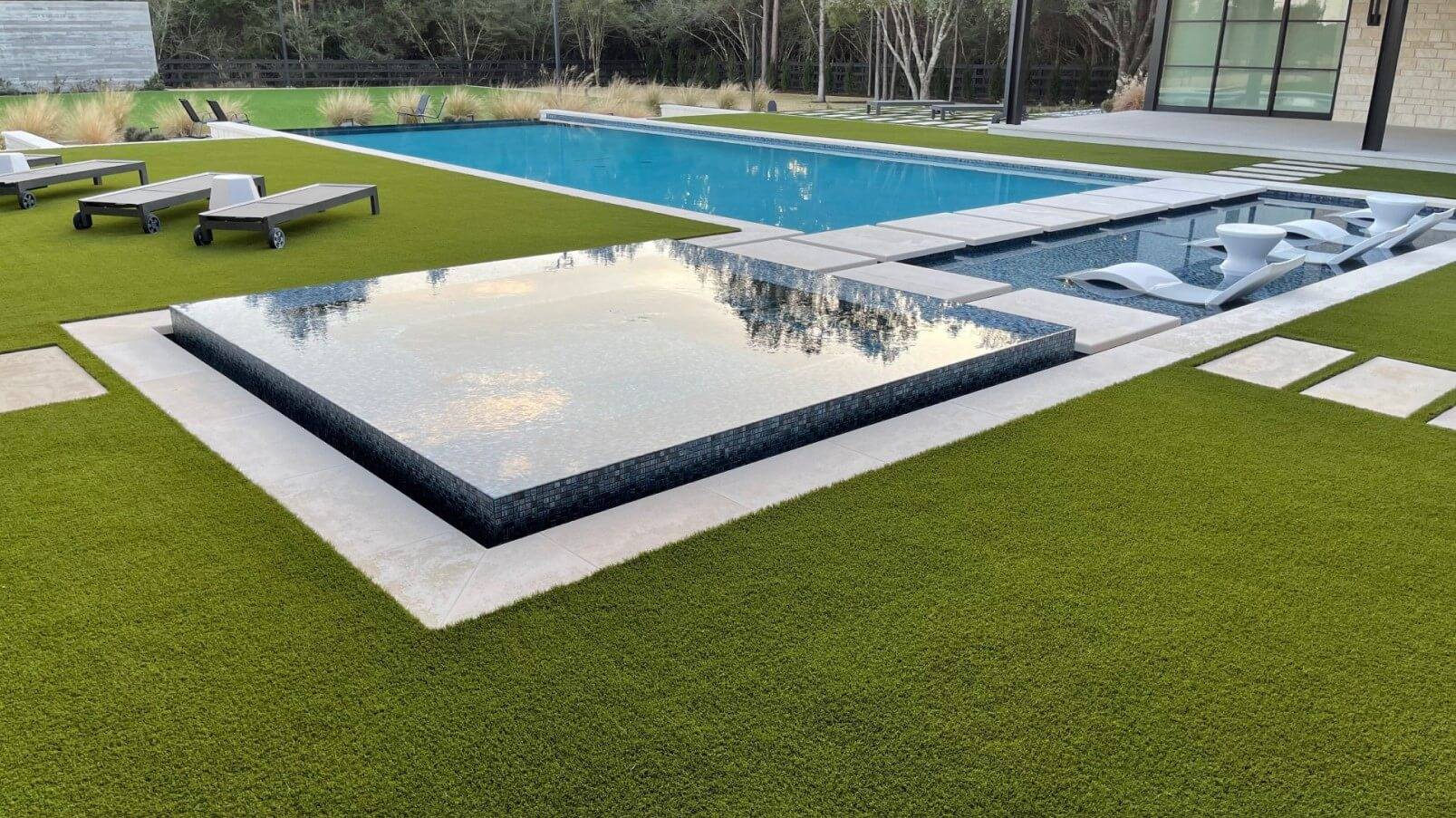
Residential Artificial Turf Installation
Professional Residential Artificial Turf Installation in Allen, TX.
View Service
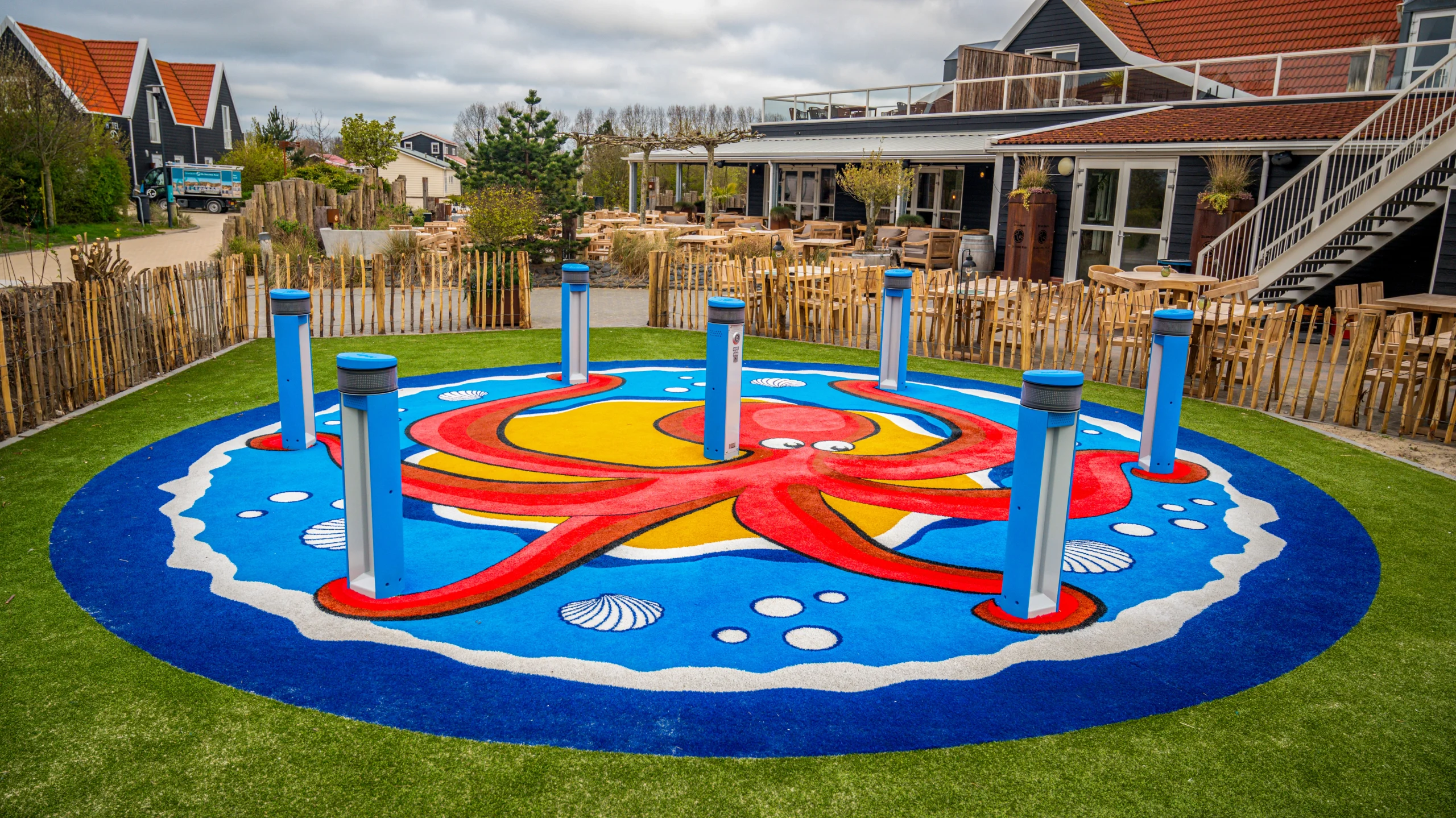
Artificial Turf Putting Green Design
Professional Artificial Turf Putting Green Design in Allen, TX.
View Service
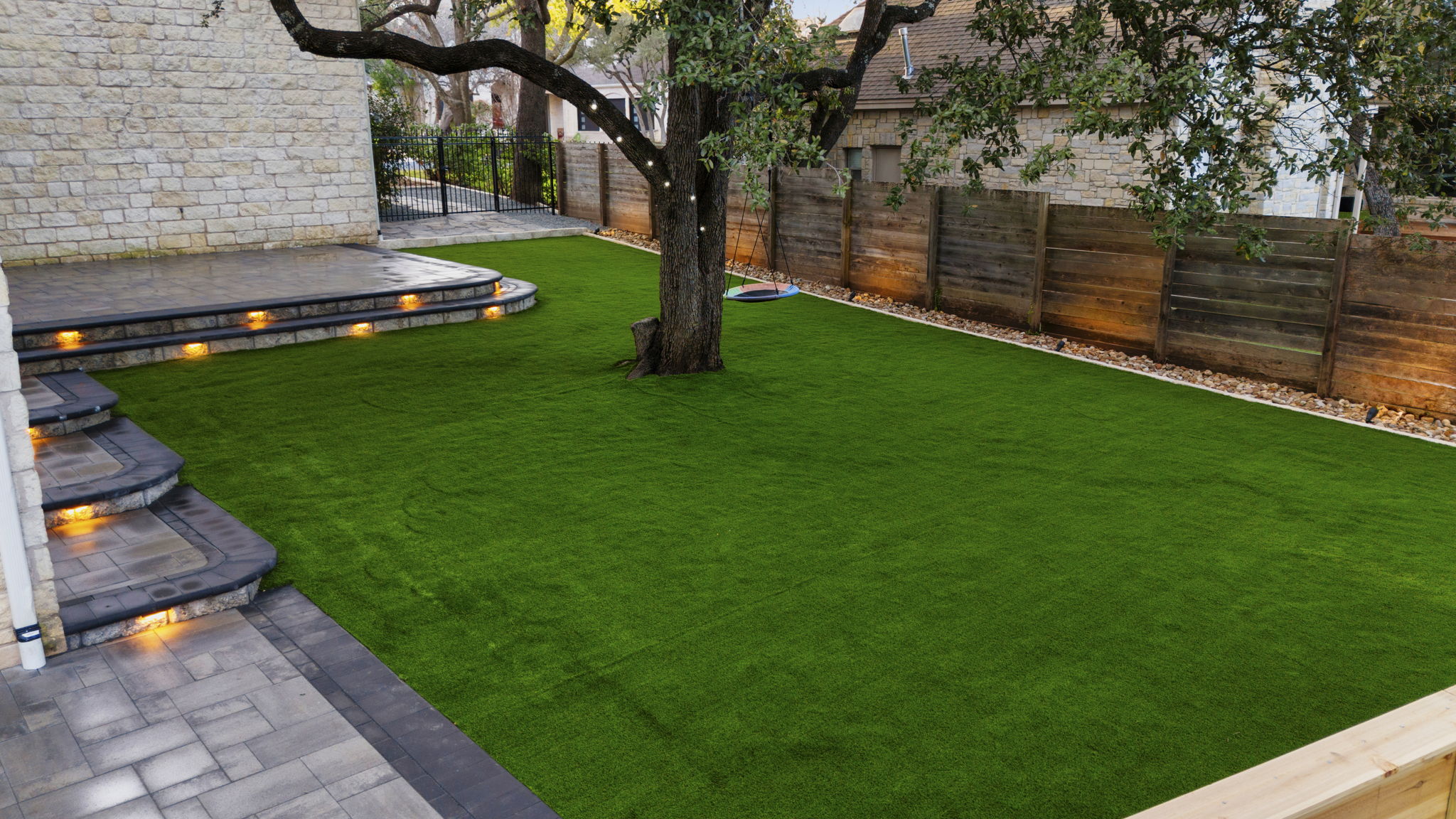
Artificial Turf Maintenance
Professional Artificial Turf Maintenance in Allen, TX.
View Service
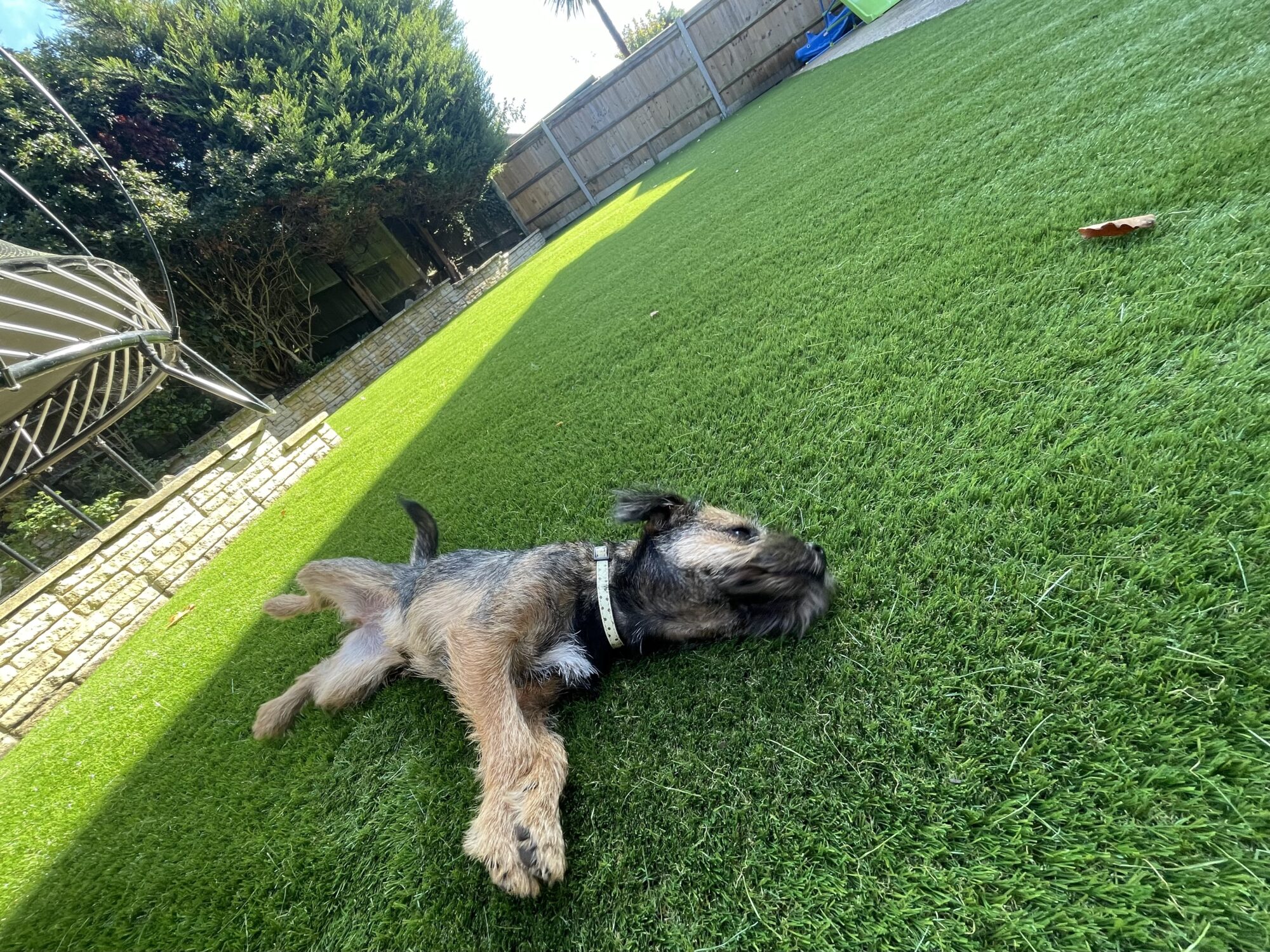
Artificial Turf For Pets
Professional Artificial Turf For Pets in Allen, TX.
View Service
Artificial Turf Repair
Professional Artificial Turf Repair in Allen, TX.
View Service
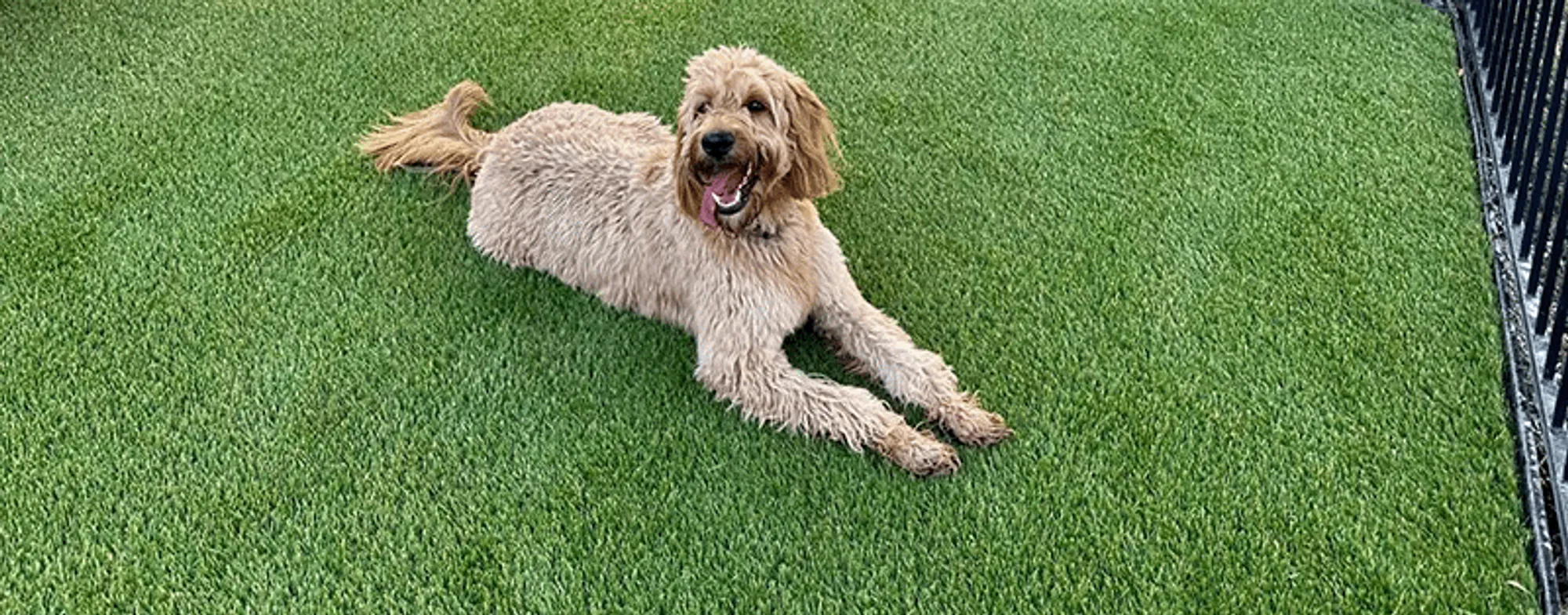
Artificial Turf Drainage Solutions
Professional Artificial Turf Drainage Solutions in Allen, TX.
View Service
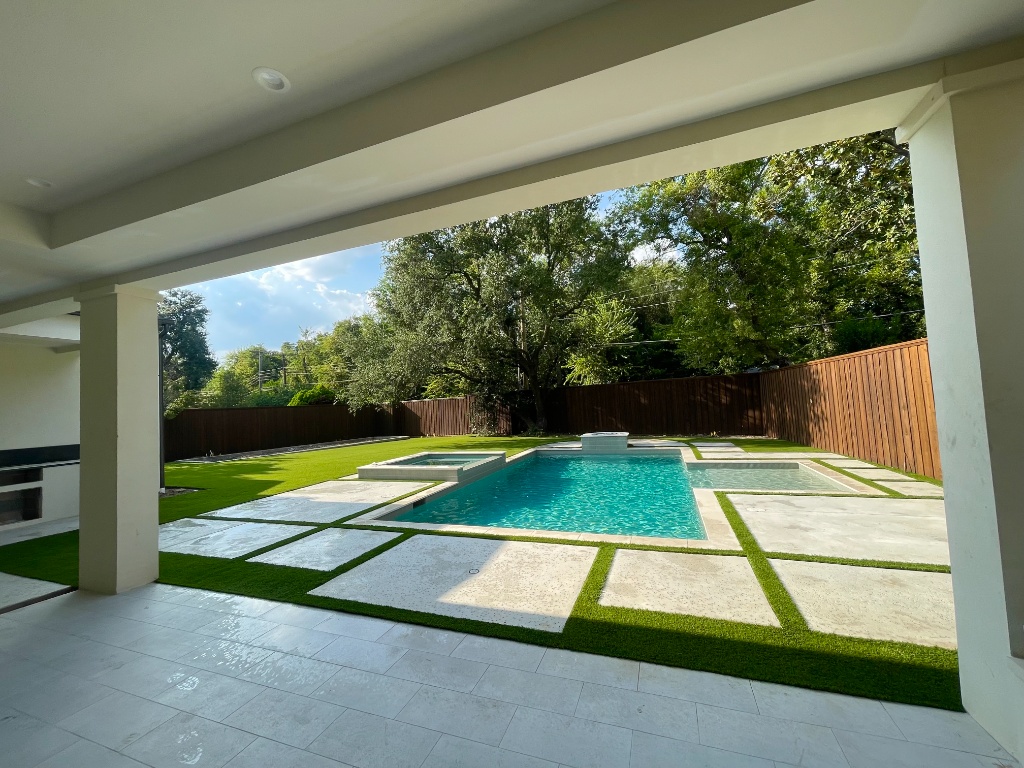
Artificial Turf Consultations
Professional Artificial Turf Consultations in Allen, TX.
View Service
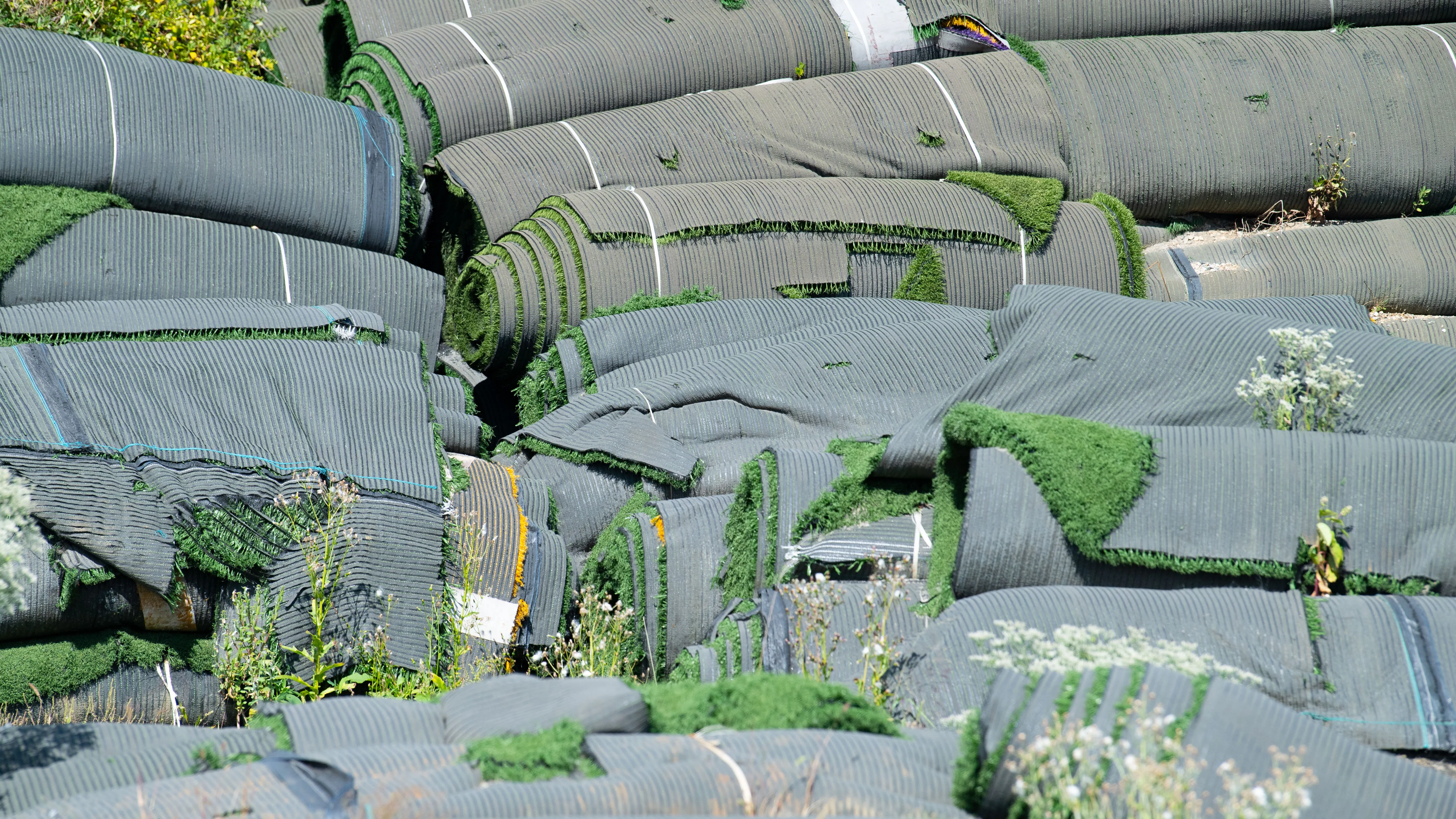
Artificial Turf Removal And Replacement
Professional Artificial Turf Removal And Replacement in Allen, TX.
View Service
Nearby Cities We Serve
Get a Straight Number on Your Allen Yard
Artificial turf installation in Allen, TX built for mid-budget homeowners who want a real yard without the monthly water bill. Collin County crews, straight talk on cost.
Request a Free Estimate