Artificial Turf of Allen
About Artificial Turf of Allen

About Artificial Turf of Allen

Collin County turf installation for homeowners who want a real result at a price that makes sense — not a luxury pitch for a mid-budget project.

Who We Work For

Artificial Turf of Allen installs artificial turf for Allen and Collin County homeowners who are making a practical financial decision, not an aspirational one. The families in Suncreek and Bethany Creek who are tired of paying Coserv-area water bills on a lawn that goes brown every August. The older Twin Creeks homeowner whose irrigation system half-failed in the Uri freeze and hasn't been worth fully repairing. The Cumberland Crossing household with two dogs and three kids who would rather have a yard that functions than one that requires a full Saturday of maintenance every two weeks from March through November.

That's our market. Allen ISD families on real budgets, Plano east-side homeowners making household investment decisions carefully, Wylie and Princeton families who found Collin County affordability and are running the numbers on every improvement. We price for this market, and we install with the same quality standards we'd apply to any job regardless of neighborhood.

We are not a luxury turf company. We don't lead with the premium product line and work backward. We start by looking at your yard, understanding how you use it, and recommending the scope and product combination that delivers the best return for your specific situation. If turf doesn't make sense for your property, we'll tell you that at the site visit rather than write an estimate you shouldn't sign.

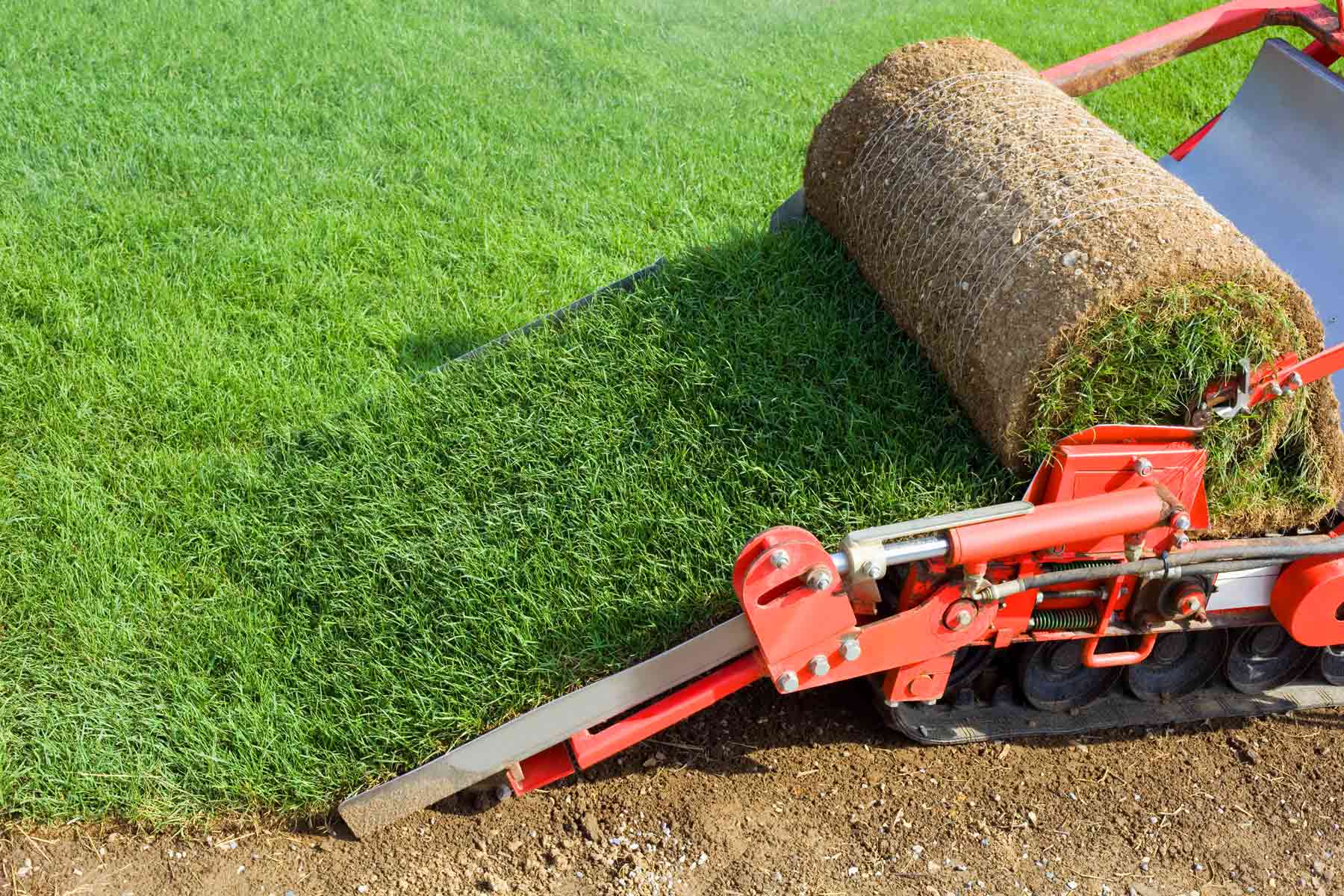
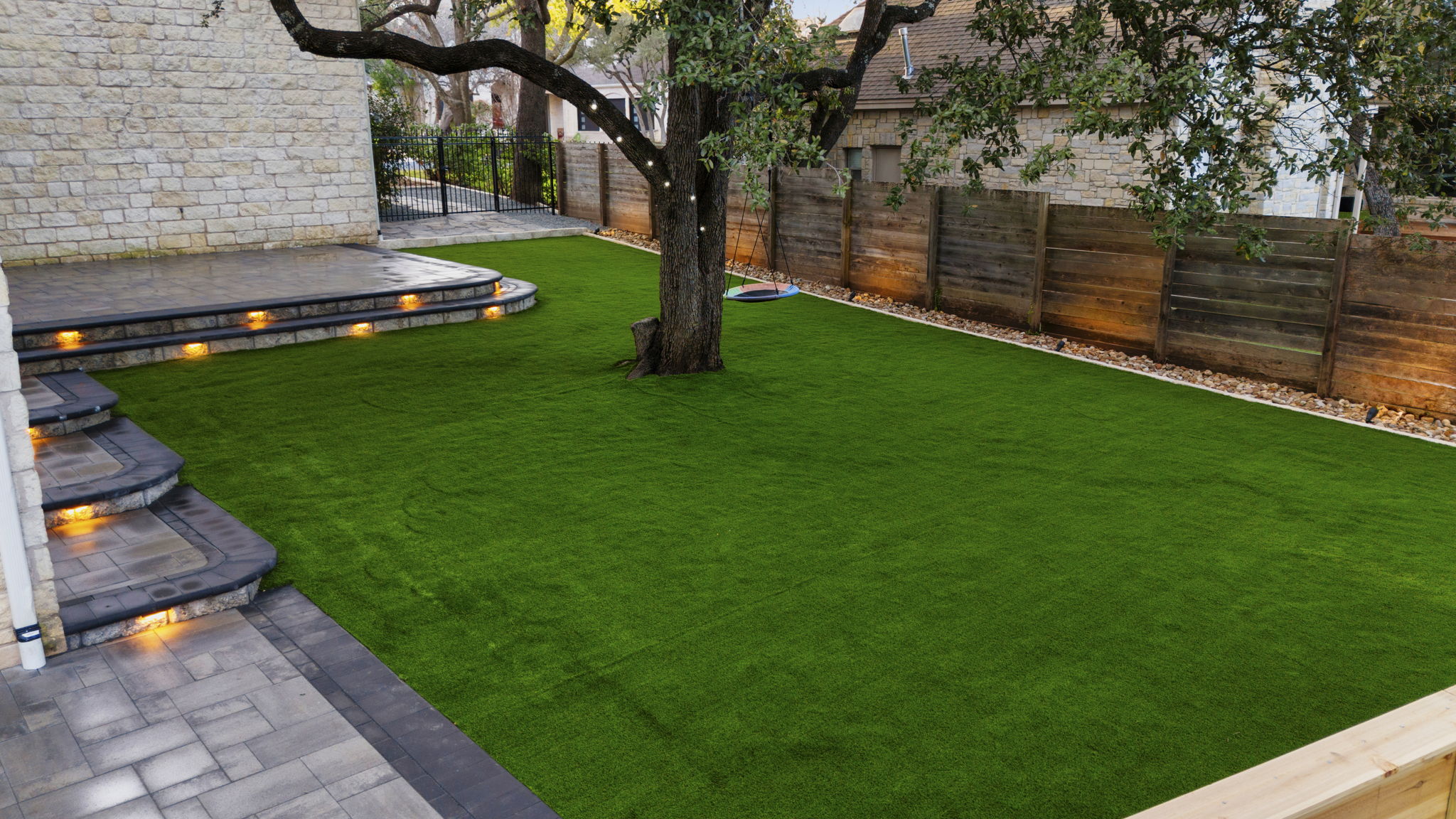
Residential artificial turf installation by Artificial Turf of Allen

Why Allen Homeowners Call Us

The artificial turf market in the Allen-Collin County area has a pricing problem. The contractors who operate in the West Plano and high-end Frisco corridor charge rates that reflect that market — and then apply those same rates to Stacy Ridge and Watters Creek mid-budget installs where the math doesn't hold up for the homeowner. The result is Allen families paying luxury premiums for standard installations, or skipping turf entirely because the numbers they were quoted don't pencil out.

We operate differently. Our overhead reflects a business built for the mid-market, and our margins are honest rather than padded for a market segment we're not actually serving. That lets us quote Allen homeowners numbers that make financial sense while still using quality materials and doing the installation correctly.

“Correctly” has a specific meaning in Collin County conditions. Blackland Prairie clay soil — the expansive, shrink-swell formation that underlies almost all of Allen, McKinney, Plano, Wylie, and surrounding cities — moves with moisture. It contracts in dry July heat and expands when fall rains arrive. Any artificial turf base that doesn't account for that movement will show it: edge lifting, seam separation, surface rippling within three to five years. We use a minimum four-inch compacted crushed granite base on clay soil installations, and deeper in drainage-stressed zones. That's more base material than some contractors use, and it's why our installs don't generate callbacks.

Drainage is the other thing we don't compromise on. An Allen yard that doesn't drain correctly under natural grass will not drain correctly under artificial turf unless the drainage is corrected at installation. We assess every site before writing an estimate, identify any drainage corrections needed, and include them in the scope. Some contractors cover drainage problems with turf and hope the homeowner doesn't notice for a few years. We correct them.

What We Know About Collin County

We've installed turf across the Collin County spectrum — older established Allen neighborhoods where the trees are now mature enough to shade areas that bermuda won't grow in, newer Melissa and Anna developments where builder-grade sod on construction fill has never properly established, Princeton properties where the home value makes the investment calculation tighter, and Fairview and Lucas acreage lots where the strategic question is which zones on a larger property actually justify synthetic turf.

Watters Creek and Stacy Ridge yards are typically the Allen homeowners who have reached the calculation point — they've been managing a natural lawn for ten or fifteen years, the costs keep climbing, and the results keep declining. Post-Uri, many of these properties have irrigation systems that were damaged in February 2021 and haven't been fully repaired because the repair cost itself isn't justified relative to the lawn performance. When the irrigation repair estimate comes in at $2,000 and the lawn is still going to be mediocre, the conversation about replacing the whole system with turf becomes rational rather than aspirational.

We know the specific drainage behaviors in Suncreek and Bethany Creek. We know what the soil profile looks like under the older Twin Creeks sections versus the newer Cumberland Crossing construction. We know that the US 75 corridor commuter household's real constraint is time as much as money — that reclaiming the Saturday morning lawn commitment has value beyond the water savings — and we include that in the conversation at site visits.

We also know the Collin County hail belt reality. Significant hail events are a regular part of life in this part of Texas. Quality artificial turf handles hail without structural damage — the UV-stabilized polyethylene fibers don't crack or delaminate under hail impact. We specify products with manufacturer warranty coverage that addresses hail scenarios, so Allen homeowners aren't left with coverage questions after a storm that hits their roof and their yard on the same night.

How We Approach a Project

Site Visit First, Always

We don't write estimates from photos or satellite images. Every estimate starts with a site visit where we assess drainage, grade, soil conditions, access constraints, and irrigation infrastructure. The estimate you get reflects what we actually found on your property.

Base Prep Without Shortcuts

The compacted crushed granite base is the part of the installation you can't see, which is why some contractors cut depth there to hit a lower price. We don't. Four inches minimum on Collin County clay, deeper in drainage-stressed zones, with compaction verified before turf goes down.

Drainage Corrected, Not Covered

If your property has a drainage problem, we address it as part of the installation rather than installing over it. You'll know what we found, what we're fixing, and what it costs before the work starts. No surprises on the final invoice.

Product Matched to the Use Case

A pet-heavy backyard, a front yard installation, a putting green, and a commercial entry all have different appropriate product specifications. We don't use one product for every application — we spec based on the use, the drainage requirements, and the visual standards of the installation.

Crew Continuity

We don't subcontract installations. The crew that estimates your project is the crew that does the work. That matters for accountability when you have a question about a seam placement decision or want to understand what happened under the turf in a particular zone.

Honest Recommendations

If turf doesn't make financial sense for your property right now, we'll say that. If a smaller scope delivers better ROI than the full installation you were considering, we'll walk through both. We'd rather give you the right advice than close the largest possible contract.

The Pricing Reality We Talk About Directly

Artificial turf installation in Allen and Collin County has a wide price range, and most homeowners collecting estimates don't know what drives the variance. We explain it at every consultation because it helps homeowners compare estimates honestly.

The variables that create real cost differences: base depth and material volume (deeper bases cost more material and labor), product face weight and pile construction (heavier products cost more but last longer), drainage infrastructure requirements (french drains and channel drains add real cost when they're needed), and access conditions (tight side yards and elevated installations are more labor-intensive).

The variables that create misleading cost differences: contractors who specify inadequate base depth to hit a lower number, contractors who use lower-grade product than what they show in samples, and contractors who subcontract labor to the lowest available crew. These practices produce estimates that look competitive and installations that underperform within five years.

Our estimates are itemized so you can see every line. Base material quantity and depth. Product specification including face weight and manufacturer. Labor breakdown. Any drainage infrastructure line items. If something unexpected comes up during installation — a drainage issue discovered under the existing grade — we call before we proceed, not after.

We offer financing for Collin County homeowners who want to spread the cost. In many cases, the monthly payment on a financed turf installation is comparable to the combined monthly cost of lawn service, irrigation water, and maintenance products on a natural lawn in the same zone. The comparison is worth running at the consultation.

Where We Work

We serve Allen and surrounding Collin County cities, plus select communities in Grayson County along the US 75 corridor. Site visits are free throughout our service area.

Start with a Free Site Visit

We come to your property, assess drainage and soil conditions, walk through product options, and give you a number based on what we actually see. No estimate from photos, no ballpark ranges, no pressure to sign the same day.