Artificial Turf Repair in Allen, TX
Fix the Problem Without Replacing the Whole Lawn
When Repair Makes Sense — and When It Doesn't
Artificial Turf of Allen repairs synthetic turf installations across Collin County. Tears, seam separations, edge lifting, drainage failures, and damage from heavy objects or construction activity — most artificial turf problems are repairable without replacing the entire installation. We assess the damage honestly and recommend repair when repair is the right answer, not just the upsell.
Repair is the right answer for localized damage: a torn section from a fence post being driven through the turf, a seam that has separated in one zone, edge lifting near a bed border, or a drainage problem in a specific area. Repair is not the right answer when the installation is at the end of its product life, has widespread infill deterioration, or has backing degradation across multiple zones. We tell you honestly which situation you're in before we quote the work.
Project Highlights
Section replacement with material matched to the existing product
Edge and border repairs that restore the finished perimeter
Drainage repairs in problem zones without disturbing the surrounding installation
Significantly more cost-effective than full replacement for localized damage
Why Repair Is Often the Right Call
A full turf replacement is a significant investment. For localized damage on an installation with years of life remaining, repair is the economically sound choice.
Cost Reality
A section repair or seam correction on an Allen residential installation typically costs $300 to $1,200 depending on the scope. A full replacement of the same yard costs $4,500 to $8,500. If the damage is localized and the surrounding installation is in good condition, the repair cost difference is substantial.
Preserving Installation Life
Properly executed repairs extend the useful life of the surrounding installation. A seam that separates won't damage adjacent turf if it's repaired promptly. Deferred repair can allow damage to propagate — the separated seam gets larger, the drainage problem affects more base area, the lifted edge tears further.
Invisible Results When Done Correctly
A well-executed turf repair is effectively invisible. Seam repairs using the correct bonding materials and techniques disappear into the surrounding surface. Section replacements matched to the existing product are indistinguishable from the original installation after the new material weathers slightly.
Quick Turnaround
Most repair jobs are one-day or half-day work. We mobilize with the right materials, complete the repair, and restore the installation to full function within the same visit.
How We Approach Turf Repairs
Repair work requires the same precision as installation work, and in some ways more — matching an existing installation takes care that new installations don't require.
Step 1
Damage Assessment
We evaluate the damaged area and the surrounding installation — what caused the problem, how far it extends, what the condition of the base is under the damage, and whether the existing product can be matched. This assessment determines the repair scope and approach.
Step 2
Material Sourcing
Matching the existing turf product as closely as possible is critical for invisible repair. We try to identify the original product from what's visible on site. If the product can't be identified precisely, we select the closest visual match available and position seams where they'll be least visible.
Step 3
Damage Removal
We remove the damaged section cleanly, cutting to a point where the surrounding turf is in good condition. For seam separations, we clean the existing seam edges and prepare them for rebonding.
Step 4
Base Inspection and Repair
If the damage extends to the base — a drainage failure, a section where the base has shifted — we address the base condition before replacing the turf surface. Turf installed over a compromised base will repeat the failure.
Step 5
Surface Repair and Integration
New material is installed, seamed, and infilled to match the surrounding surface. Seam bonds are made with appropriate adhesive and seam tape and allowed to cure. Final inspection checks that the repaired zone is level with, and visually continuous with, the surrounding installation.
Service Areas
Artificial Turf Repair projects commonly support properties in Allen, TX, Mckinney, TX, Frisco, TX, Plano, TX, Fairview, TX, Lucas, TX, Wylie, TX, Parker, TX, Princeton, TX, Melissa, TX.
Related Services
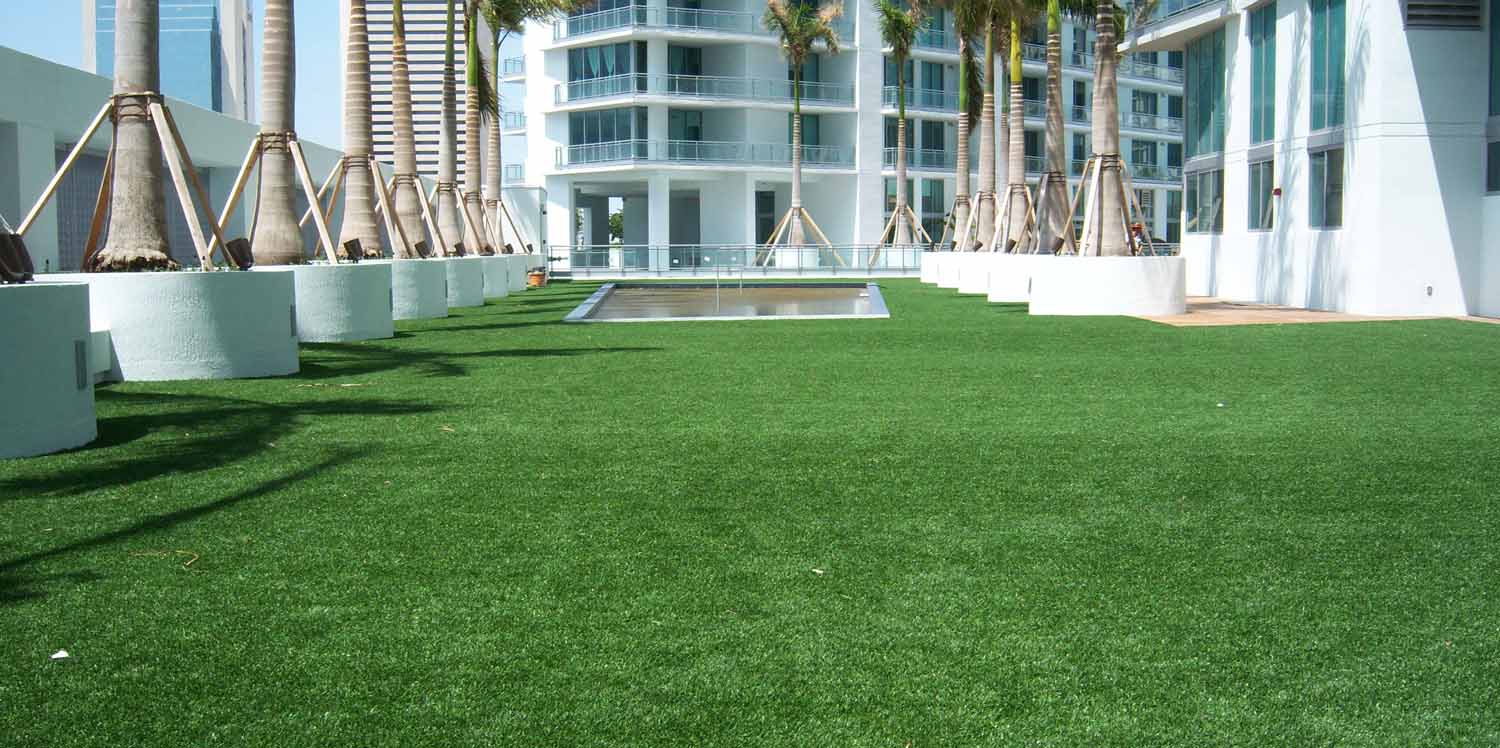
Commercial Artificial Turf Installation
Professional Commercial Artificial Turf Installation in Allen, TX.
View Service
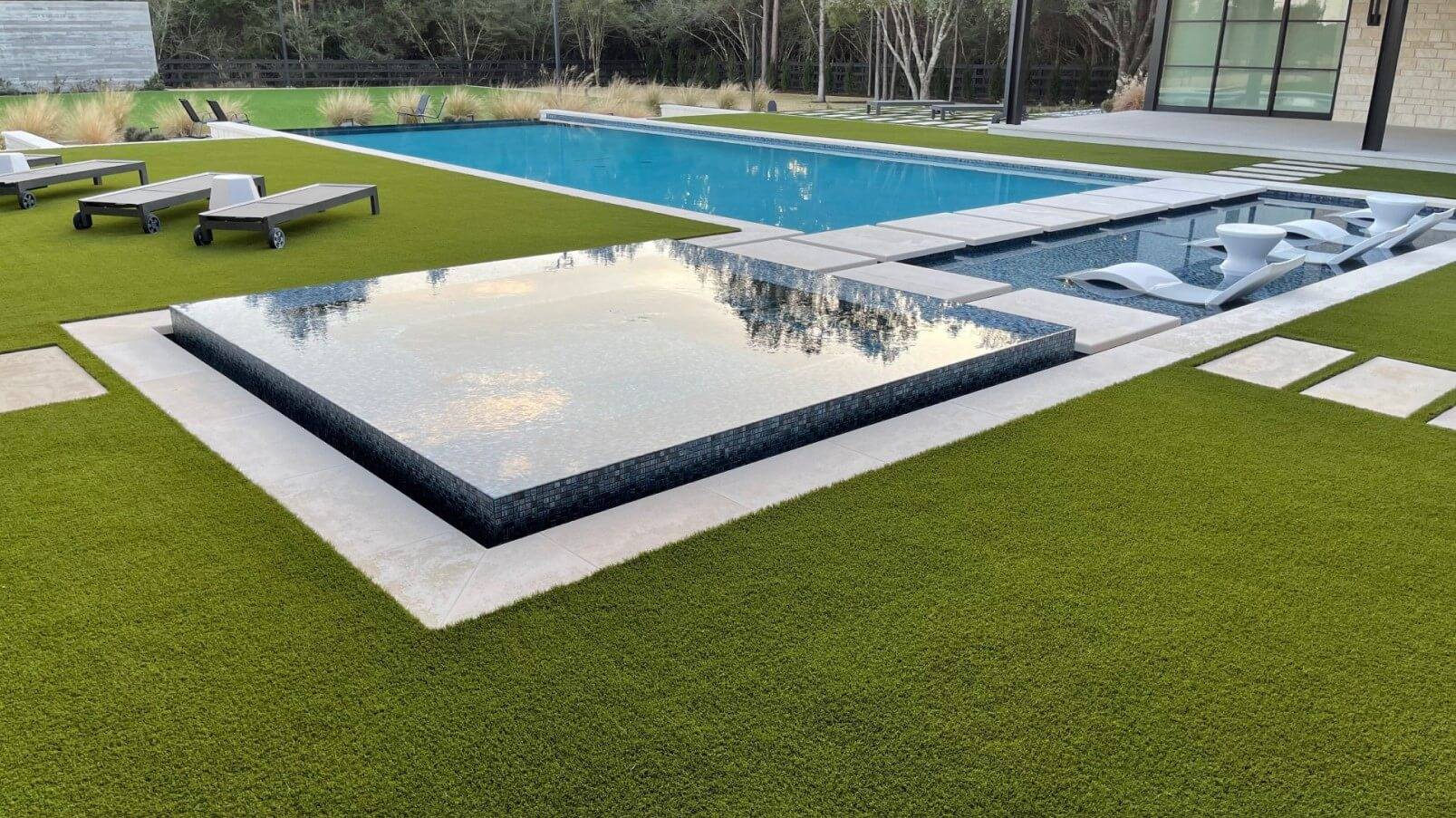
Residential Artificial Turf Installation
Professional Residential Artificial Turf Installation in Allen, TX.
View Service
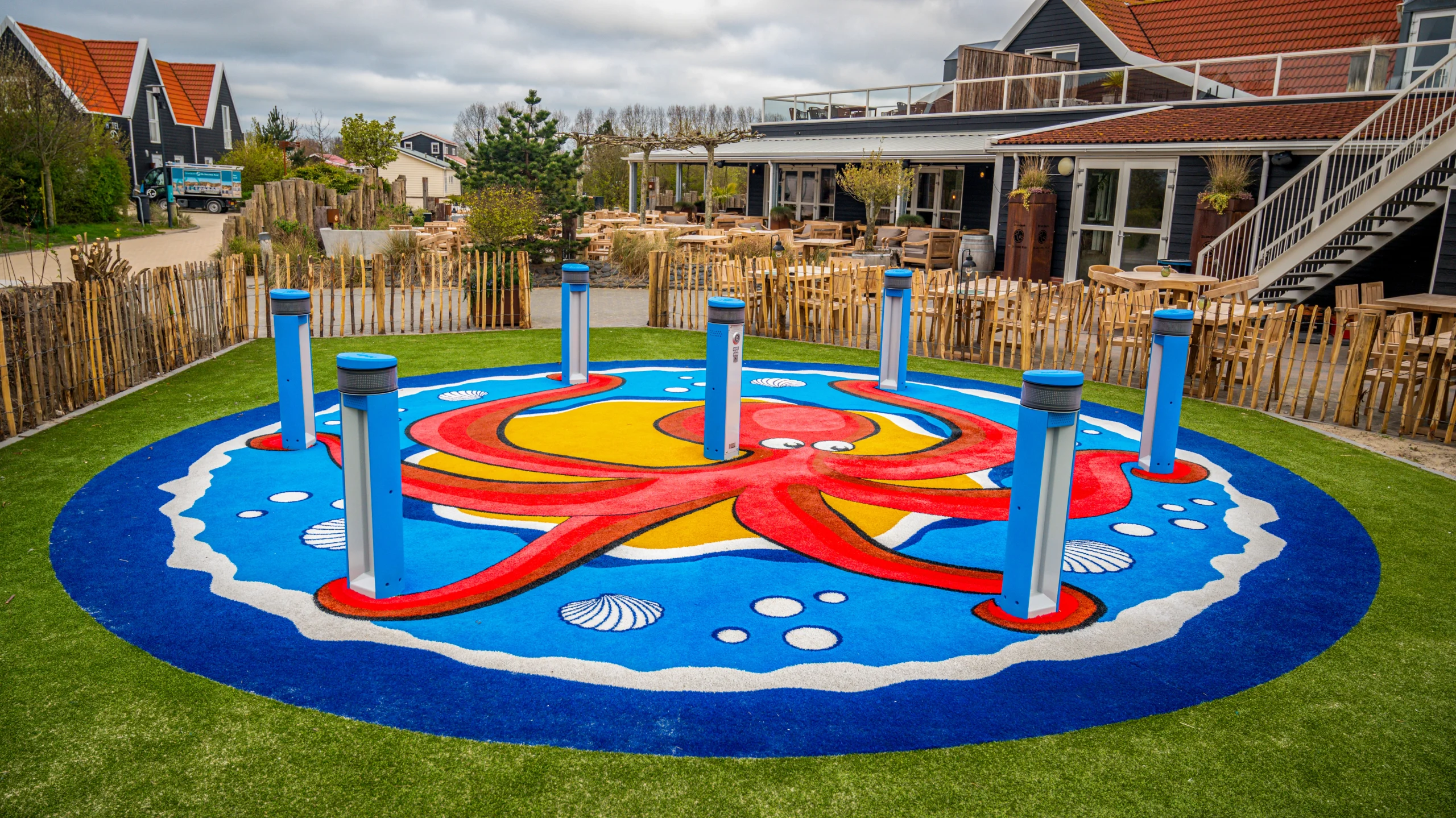
Artificial Turf Putting Green Design
Professional Artificial Turf Putting Green Design in Allen, TX.
View Service
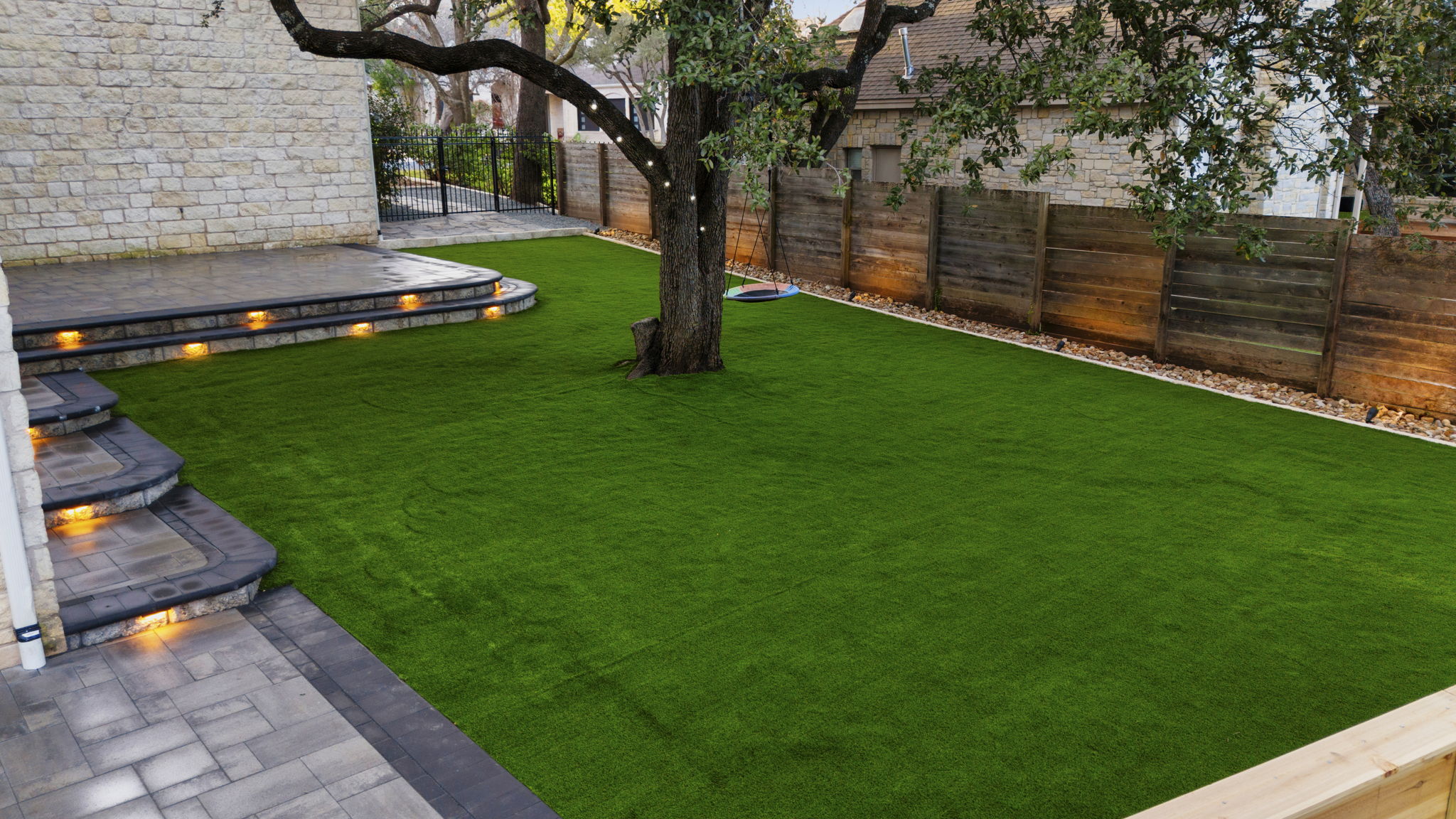
Artificial Turf Maintenance
Professional Artificial Turf Maintenance in Allen, TX.
View Service
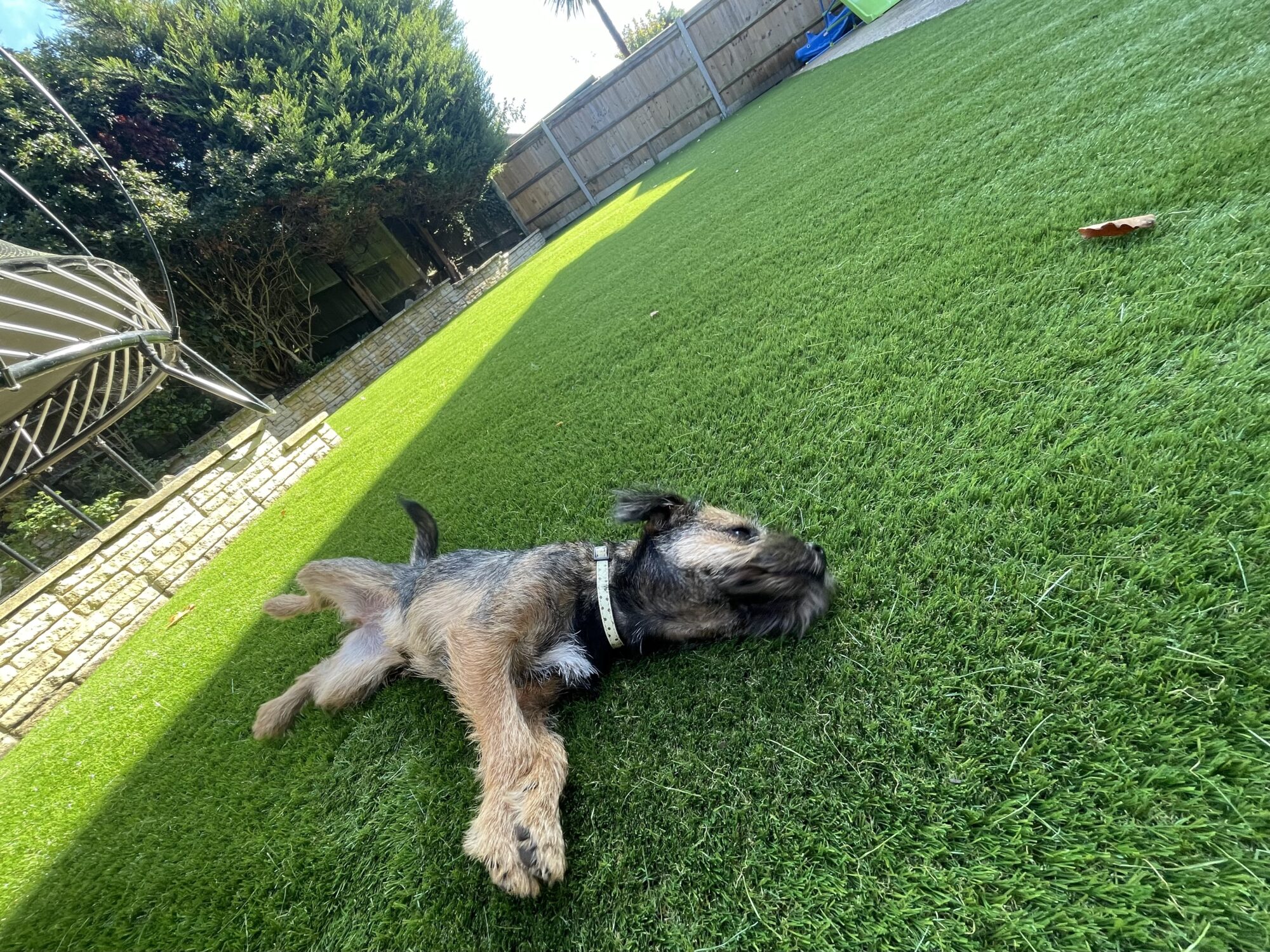
Artificial Turf For Pets
Professional Artificial Turf For Pets in Allen, TX.
View Service
Artificial Turf Drainage Solutions
Professional Artificial Turf Drainage Solutions in Allen, TX.
View Service
Frequently Asked Questions
What are the most common turf repair issues in the Allen area?
Edge lifting near bed borders and concrete edges is the most common call we get — usually from installations where the original edging wasn't done with sufficient depth. Seam separations in high-traffic zones are second. Drainage problems from improper original base prep are third — water pooling in a low spot after rain that the drainage system should have addressed.
Can you repair turf that was installed by a different contractor?
Yes. We repair third-party installations regularly. In some cases, we need to correct base or drainage issues that the original installation created. We'll tell you what we find during the assessment and what's needed to make the repair hold.
How do you match the existing turf product?
We examine the existing turf for pile height, blade structure, color, and face weight. If the original installer's documentation is available, that helps. If not, we work from the visual characteristics on site. In most cases, we can get within a close enough match that the repair is not visually prominent. Older turf that has weathered significantly may have more visible contrast with new material.
How long does a repair last?
A properly executed repair to a turf installation in otherwise good condition should last the remaining life of the surrounding product. A seam repair done correctly shouldn't need to be redone. If the original cause of the damage — inadequate edge anchoring, drainage failure — isn't corrected, the problem may recur.
Get Your Turf Damage Assessed
We give you an honest evaluation of whether repair or replacement is the right call. Contact Artificial Turf of Allen to schedule a repair assessment.